“We usually don’t tell the other person to stop talking; we just pull out our phone and spend
some time pecking at it, leaving the other person to conclude, reasonably, that she is less important than the latest notification. When a conversation partner pulls out a phone,” or when a phone is merely visible (not even your own phone), the quality and intimacy of a social interaction is reduced.” (Haidt 122)

“62% of children reported that their parents were “often distracted” when the child tried
to talk with them,” When they were asked the reasons why their parents were distracted, cell phones were the top response. Parents know that they are shortchanging their own children.” (Haidt 122)

“When screens are allowed in bedrooms, however, many children will use them late into the night—especially if they have a small screen that can be used under the blanket. The screen-related decline of sleep is likely a contributor to the tidal wave of adolescent mental illness that swept across many countries in the early 2010s.” (Haidt 125)


“To be clear, the great majority of adolescents using Instagram or playing Fortnite are not addicted, but their desires are being hacked and their actions manipulated nonetheless… touch screens and internet connections opened up vast new possibilities for employing behaviorist techniques.” (Haidt 130)
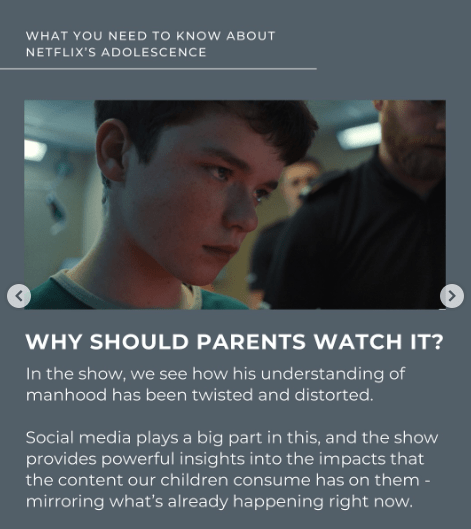
“Social media can provide benefits for some youth by providing positive community and connection with others who share identities, abilities, and interests. It can provide access to important information and create a space for self-expression.” (Haidt 136)

Haidt doesn’t seem to offer any solutions to the problems that he presents (perhaps in later chapters of the book). Social media and smartphones aren’t going anywhere any time soon. In the meantime, how to do we best support our students who are struggling through this technological growth spurt?
 Bee Tee Dubs
Leave a comment