“Can reconciliation exist when those who have done wrong never ask for forgiveness or acknowledge their wrongs?” (Sanchez 95) I realized early in the documentary that I had seen the film before, years ago. I’m not sure in what circumstances I came across it; either a film festival or in my research for a new curriculum. But it struck me how much the images stayed with me. Particularly the palpable fear of the black residents who lived outside Grande Saline. The fact that they still lived in fear of the town indicates a threat that still exists. It doesn’t seem that it’s possible for those residents to reach reconciliation for the harms done against black people when black peoples’ lives are still in danger.
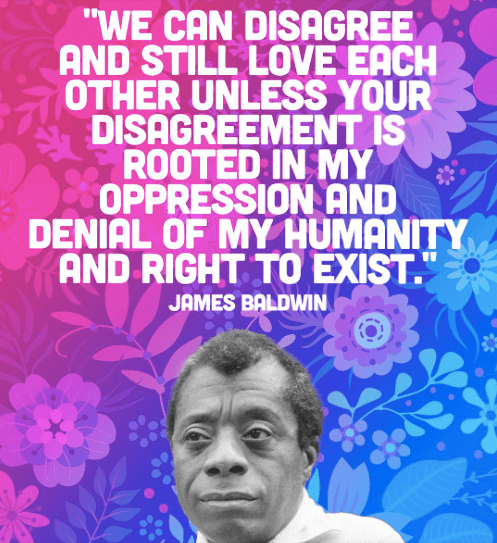
Professor Sanchez’s chapter on his experiences growing up in Grande Saline, Texas reminded me of the documentary “Closer to the Truth”, about the massacre of five residents by the local KKK that took place during a civil rights march in Greensboro, North Caroline in 1979. This documentary did have some of the men who took part in that shooting actually engage in dialogue with the victims (or families of the victims). I don’t recall the outcome (I’m eager to re-watch it now) but I remember feeling both hopeful that there was a Truth and Reconciliation Commission established by grassroots activists and the local government. I feel like true reconciliation can only happen when there is a willingness by people in positions of power to concede to the needs and requests of survivors for some resolution.
 Bee Tee Dubs
Leave a comment