“Many African-American users filled Twitter with tears of joy emoji and newly available black praise-hand emoji. Yet, despite the removal of considerable an improper constraint at the level of code, other constraints of culture remained. As New York Times columnist Tutt (2015) rightly complained, these new
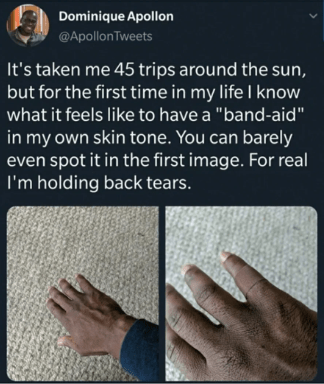
customization options posed new problems for non-white users: “Because I’m black, should I now feel compelled to use the ‘appropriate’ brown-skinned nail-painting emoji? Why would I use the white one? Now in simple text messages and tweets, I have to identify myself racially” (Tutt, 2015). Tutt, like many non-white users, now had to scrutinize white friends’ rhetorical decisions (practice) to send her a “black angel” at Christmas instead of neutral or white-skin tone angels. Furthermore, a cursory examination reveals that the 8.3 update offered physical diversity, but not cultural diversity. The lack of the latter can be seen in an ongoing Western-centric bias for popular food, clothing, religion, and transportation emoji.
 Bee Tee Dubs
Leave a comment