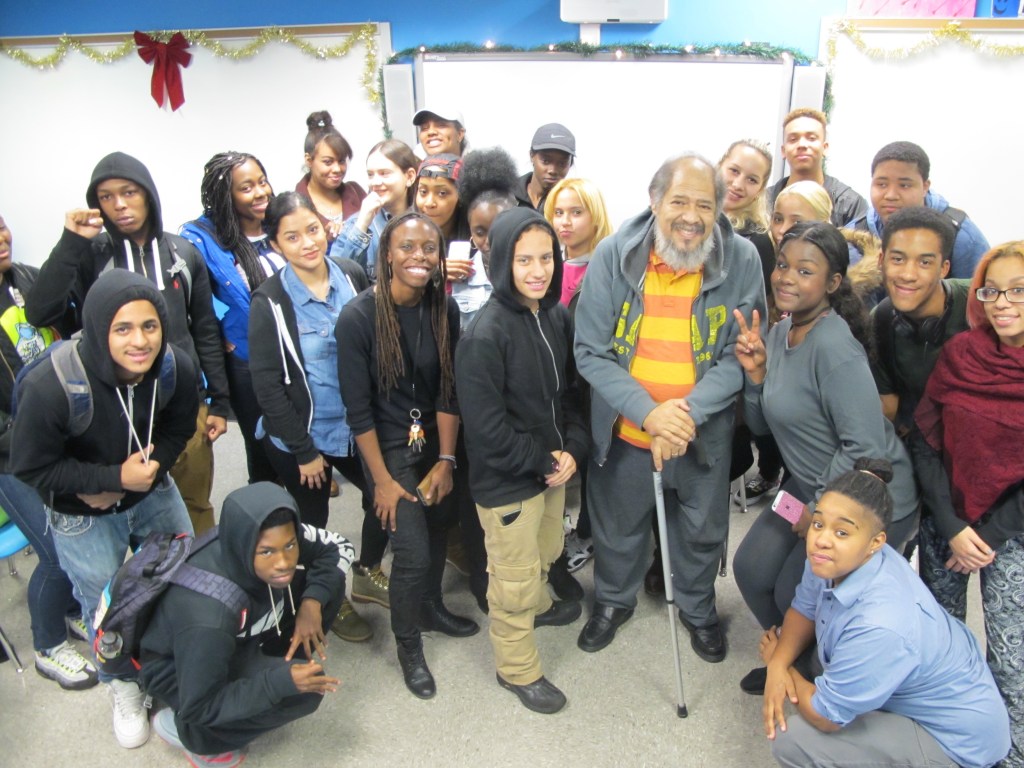
In the NCTE article, “Teaching with Technology in 100 Years of ‘English Journal’”, McCorkle and Palmeri make several points about the benefits of media in pedagogy that reminded me of my own attempts to “reinvigorate student engagement with print texts.” In 2015, my students read a graphic memoir called “Ghetto Brothers: Warrior to Peacemaker” about Benjy Melendez and the 1971 Peace Meeting between gangs in the South Bronx that created space for Hip Hop to thrive. That memoir inspired students to create a video inviting Melendez to meet with them and speak about his experiences as a young leader in that movement.
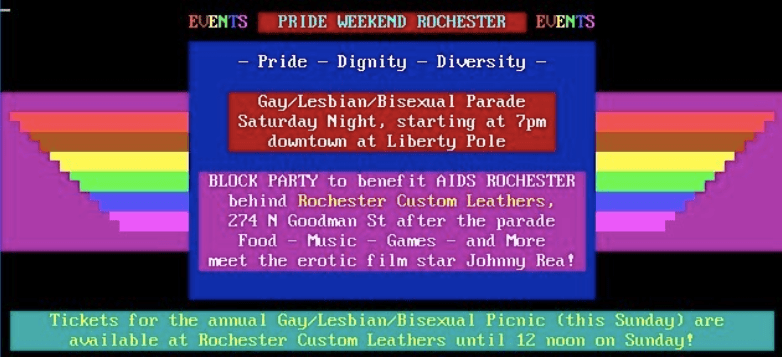
In James Zappen’s paper on digital rhetoric, he makes note of some strategies that online communities use to promote self-expression and collaboration. In it, Barbara Warnick explains the success of “Web-based alternatives to mainstream media” offering “new modes of interacting with others”. This was in contrast to the unsuccessful attempts by traditional print media to appeal to women which were “elitist and hierarchically motivated” (Zappen 320). This speaks to the importance of small online communities that helped marginalized groups to establish safe spaces where their identities could be affirmed in ways that weren’t possible in their interpersonal lives. Avery Dame-Griff, the creator and curator of the archive, Queer Digital History Project, addresses how essential it was in the 1980s and 90s for queer people to have digital spaces where they could share information. For instance, “the transgender movement couldn’t be where it is now without digital communication drastically increasing its reach,” she says (Dame-Griff, Cofer 2022). Today, websites like the Digital Transgender Archive sheds light on the history of transgender people, events, and community actions that young people today may not learn about in school or through mainstream sources of information.

 Bee Tee Dubs